
Moving Tips for Renters in Australia: Protect Your Bond, Your Dates and Your Sanity (2026)
The best moving tips for renters protect your bond and your dates, not just your boxes. Work backwards from your notice period, photograph every room, leave the place reasonably clean rather than automatically paying for a bond clean, and book lifts and parking early. Most moves are short, so a single day is often enough. Where possible, book ahead, but if you're close to your date, don't panic.
Most moves are short, and that's good news if you rent. Across 3,758 local Instamove bookings from April to September 2026, the typical local move covered less than 8 kilometres. When the driving is easy, the hard parts are the lease, the bond and the building.

Why do renters need different moving tips?
Because someone else owns the walls, the floors and the calendar. Three things set a renter's move apart:
- A fixed exit date. Your lease, not your mood, decides when you leave.
- A bond at stake. It's your money, and how you leave the place affects how much you get back.
- Shared buildings. Lifts, loading zones and neighbours all have a say.
The tips below follow that order. None of it is a to-do list you have to tick off in a weekend. Pick what applies to you.
How do you work backwards from your notice period?
Your moving date starts with your notice date, not the other way around. Put the notice rules in front of you first, because they set the clock for everything else.
| Situation | Victoria | New South Wales |
|---|---|---|
| Leaving at the end of your agreement | Give at least 28 days' written notice, using the "Notice of intention to vacate" form or equivalent. On a fixed term, the end date can't be before your agreement ends. | Fixed term: at least 14 days' notice, served on or before the last day of the term. Ongoing (periodic) agreement: at least 21 days' notice. |
| Leaving a fixed term early | You may have to pay fees and charges unless a specific allowed reason applies. | A break fee applies, and rent is payable until you vacate (see the next table). |
| Where to check | Consumer Affairs Victoria | NSW Fair Trading and the Tenants' Union of NSW |
In NSW, the break fee for a fixed term of three years or less depends on how far through your term you are:
| How much of the term has passed | Break fee |
|---|---|
| Less than 25% | 4 weeks' rent |
| 25% to less than 50% | 3 weeks' rent |
| 50% to less than 75% | 2 weeks' rent |
| 75% or more | 1 week's rent |
The fee can be negotiated, so get any agreement in writing. Put your notice in writing too, keep a copy, and note how and when you sent it. If you post it, allow extra days for delivery.
If your date is closer than you'd like, take a breath. Most of the other tips here take an afternoon, not a month.
Why should you photograph everything before you pack?
Because your original condition report plus dated photos are your best protection in a bond dispute. In NSW, the report you completed at move-in can help if you have a dispute later.
At the other end, a final inspection happens. In Victoria the agent or landlord completes the exit section of the condition report, and you must be present or be given a reasonable opportunity to be there. NSW is similar, and if you don't show up the report may be filled out without you.
A few habits make this painless:
- Photograph each room once it's empty and clean. Include inside the oven, window tracks, carpet and any marks.
- Use dated photos. Email them to yourself and to the agent so there's a record.
- Compare against your move-in report. Anything already noted there isn't yours to fix.
- Be at the inspection if you can. You can point out what was there on day one.
How clean is clean enough?
Reasonably clean, not showroom clean. In Victoria you must leave the property reasonably clean, and for agreements signed from 29 March 2021, your landlord generally can't require professional cleaning unless the property needs to be returned to its starting state or is in a state that requires it.
NSW works in a similar way. You must leave the property reasonably clean and as close as possible to the condition it was in when you moved in, fair wear and tear excepted. Your landlord can't make you pay for professional carpet cleaning at the end of the tenancy unless they agreed to you keeping a pet inside and the cleaning is reasonable for that pet. They also can't insist that you use a particular cleaner.
If you don't leave it reasonably clean, cleaning costs can be claimed from the bond. So there's no need to panic, but there's no need to pay for a default bond clean without checking either.
Some practical thoughts:
- Check your lease and move-in report first. If the place was professionally cleaned when you arrived, that changes things.
- Get any bond clean quote in writing. Prices vary a lot between providers.
- Clean after the truck leaves, not before. A bare, empty home is far easier to scrub.
- Overlap by a day if you can. Having keys to both places for a day or two takes the pressure off, because moving and cleaning don't have to happen at once.
How do you get your bond back without the drama?
Agree who gets what before you leave, and only sign what's right. In Victoria, the process is:
- Try to agree with your landlord or agent how the bond will be finalised before you move out.
- Only sign the bond claim form if it shows the amount you'll get back.
- If the landlord starts the claim online, accept it only if your repayment details are correct and you agree with the amount.
- Once everyone accepts, the Residential Tenancies Bond Authority (RTBA) usually repays within one business day.
- If you start the claim, the landlord has 14 days to dispute it. If they do nothing, the RTBA pays the bond to you.
- Unresolved disputes can go to Rental Dispute Resolution Victoria and then VCAT.
In NSW, you can claim your bond once you've vacated and returned the keys. Always give your agent a forwarding address in writing, so nothing gets lost.
How do you book the lift, loading zone and parking?
Early, because in an apartment or townhouse the building and council can limit your move more than the truck can. Melbourne CBD was one of our busiest move-out suburbs from April to September 2026, and it's a place where lift bookings and loading zones are part of everyday life.
Here's what to ask before moving day:
- Your building manager or owners corporation. Do they require a lift booking, set move hours or ask for a deposit?
- Your council. Do you need a permit for a truck on the street? Our Melbourne CBD parking permit guide explains it for the city.
- Your removalist. Tell them about stairs, long carries, tight corners and lift sizes, so the quote matches reality.
Which day should you move?
A midweek day is usually calmer, though your lease may have the final word. Here's how our bookings fell across the week from April to September 2026, across 4,362 bookings:
| Day | Share of bookings |
|---|---|
| Monday | 15% |
| Tuesday | 14% |
| Wednesday | 14% |
| Thursday | 15% |
| Friday | 22% |
| Saturday | 18% |
| Sunday | 1% |
Friday and Saturday are the busiest, and Tuesday and Wednesday the lightest. A quieter day may also make it easier to get a lift booking or a street park.
Cost is worth factoring in as well. At Instamove, moves from Monday to Thursday cost less than moves from Friday to Sunday, and plenty of other removalists price midweek moves lower too. If your lease gives you a choice of days, a Monday to Thursday move can save you money as well as stress.
If your lease ends on a Saturday, ask whether you can move on the Friday and do the cleaning on Saturday morning. It can turn a frantic day into two manageable ones.
How do you protect the walls, floors and doorframes?
Damage is what the bond can cover, while normal wear isn't. Victoria's guide says a landlord can claim for damage caused by you or your visitors, but not for fair wear and tear. So a few precautions are worth the effort:
- Measure your big pieces and the doorways before moving day. Surprises mean scrapes.
- Lift, don't drag. Dragging a wardrobe across timber floors is how bond claims start.
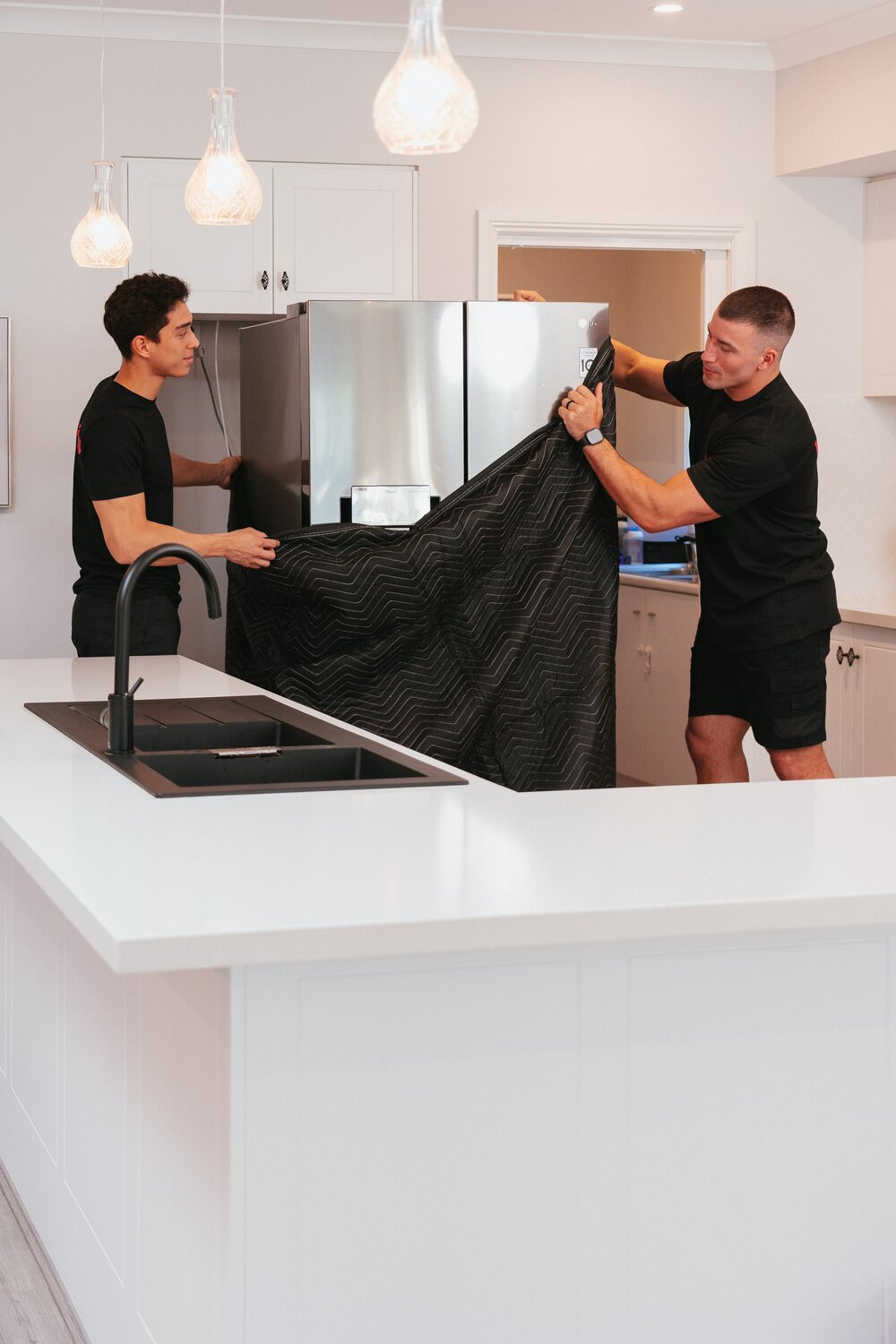
- Use padding and runners. Ask your crew to protect corners, banisters and floors.
- Skip sticky tape on paint. Use painter's tape if you must.
- Check your lease before patching anything. Some leases don't allow repairs without permission.
Our crews carry blankets and floor protection, and we back our work with a $1,000 damage warranty.
What if you're moving with housemates?
Sort the paperwork before the packing. In NSW, if all co-tenants are leaving, they must serve notice together. In an ongoing agreement, one co-tenant can leave by giving 21 days' notice to the landlord and each other co-tenant. A co-tenant who leaves without ending the agreement stays jointly liable, so don't just wander off.
For any share house, agree these in writing, even by text:
- Who gets how much of the bond.
- Who books and pays for the truck.
- Who is doing the cleaning, and when.
Rules differ between states, so check the official page for yours.
How do you keep a short move simple?
Pack the last things last, and let the crew handle the heavy lifting. From April to September 2026, 86% of our bookings were local moves. A move across the road is still a move, and the fridge doesn't care how short the trip is.
A few simple ideas:
- Pack the kettle, mugs and bed linen last. They're the first things you'll need.
- Move small items yourself, if you like. Leave the beds, couch, fridge and washing machine to a crew.
- Book ahead where possible. Where possible, book your removalist a few weeks out, but if you're closer than that, don't panic, because we hold good last-minute availability.
- Lock in your booking. It's a $20 deposit to lock in your booking, so get a quote when you're ready.
We cover Melbourne and Sydney, and our packing tips help with the boxes.
Frequently asked questions
How much notice do renters need to give when moving out?
In Victoria, give at least 28 days' written notice. On a fixed term, your end date can't be before the agreement ends unless you break the lease. Some situations allow 14 days, such as moving into social housing or care, or after your rental provider gives notice that they're selling. In NSW, give at least 14 days' notice to leave at the end of a fixed term, or 21 days to end an ongoing (periodic) agreement. Notice periods are counted in calendar days, so give notice in writing and keep a copy.
Can my landlord make me hire professional cleaners?
In Victoria, for agreements signed from 29 March 2021, generally not, unless the property needs to be returned to its starting state or is in a state that requires it. In NSW, a landlord can't make you pay for professional carpet cleaning at the end of a tenancy unless they agreed to an indoor pet, and can't insist you use a particular cleaner. In both states you still need to leave the place reasonably clean.
What is fair wear and tear?
It's the normal deterioration that comes from everyday living, like lightly worn carpet or slightly faded paint. Victoria's rental guide says a landlord can't claim it from your bond. Damage caused by you or your visitors is different, and that can be claimed.
Do I have to be at the final inspection?
You don't have to be, but it's a good idea. Landlords and agents must give you a reasonable opportunity to attend, and in NSW the report may be filled out without you if you don't show up. Being there lets you point out anything that was already noted at move-in.
What does it cost to break a lease in NSW?
It depends on how far through your fixed term you are. For terms of three years or less, the fee falls the longer you've been there, as the table above shows. You also pay rent until you vacate, and the fee can be negotiated, so ask and get it in writing.
How far in advance should renters book removalists?
Where possible, a few weeks ahead gives you the most choice of dates. If your date is closer than that, don't panic. Our large fleet means we can often help with shorter notice, including last-minute moves, so get a quote and we'll see what's available.
Are most moves local?
Yes. From April to September 2026, 92% of the 3,008 moves we did from Victorian addresses stayed in Victoria, and 83% of the 1,163 moves from NSW addresses stayed in NSW. We don't record whether a customer rents, so these figures cover all customers. Shorter moves are usually quicker and simpler to plan.


