
Decluttering Before an Interstate Move: Save Money per Cubic Metre
Stop Paying to Move Junk
The room-by-room declutter guide that puts money back in your pocket before you move a single box.
Here's the thing nobody tells you: Interstate removalists charge by the cubic metre. Every old treadmill, forgotten bread maker, and box of "maybe someday" stuff on that truck is costing you real money.
This guide shows you exactly what to cut, how to cut it, and how much you'll save — room by room.
Your stuff is costing you more than you think
Most interstate removalists — including Instamove — quote on volume, not weight. That means the less you load, the less you pay. Simple as that.
At typical rates of $150 to $250 per cubic metre (depending on route and season), even a modest clear-out translates to serious savings. Here's what some common items cost you to move:
| Item | Volume | Potential saving |
|---|---|---|
| Three-seater sofa | ~1.5 m³ | $225–$375 |
| Queen bed frame + mattress | ~2.0 m³ | $300–$500 |
| Old bookshelf (full) | ~0.8 m³ | $120–$200 |
| Exercise bike or treadmill | ~1.0 m³ | $150–$250 |
| 10 medium boxes of misc items | ~1.5 m³ | $225–$375 |
| Outdoor dining setting | ~1.2 m³ | $180–$300 |
| Old washing machine | ~1.0 m³ | $150–$250 |
| Chest of drawers | ~0.6 m³ | $90–$150 |
Estimated at $150 to $250 per cubic metre; actual savings depend on your route and the time of year.
A thorough declutter typically cuts a household load by 5 to 10 m³. At average interstate rates, that's $750 to $2,500 back in your pocket — often enough to cover your packing materials or an end-of-lease clean.
The room-by-room checklist
Generic advice like "go through your things" doesn't help when you're staring down a full house. Here's what to look for in every room — focusing on the items people most commonly move but really shouldn't.
Kitchen
- Duplicate utensils — one spatula is enough
- Chipped or mismatched plates and glasses
- Specialty appliances used less than twice a year (bread maker, fondue set, juicer)
- Expired spices, sauces, and forgotten pantry items
- Takeaway containers and plastic bags
- Cookbooks you've never actually cooked from
Bedrooms
- Clothing not worn in the past 12 months
- Worn-out pillows and flat mattress toppers
- Old bed linen that doesn't fit your current mattress
- Books you won't re-read
- Exercise equipment collecting dust
- Broken or tangled jewellery
Living areas
- DVDs, CDs, and old media — it's all streaming now
- Magazines and newspapers
- Furniture that won't suit the new space
- Decorative items you no longer display
- Old gaming consoles and accessories
- Excess throw cushions and blankets
Bathroom & laundry
- Expired medications — return to a pharmacy for safe disposal
- Old towels and face washers (keep your best sets only)
- Half-used products you'll never finish
- Cleaning supplies (cheaper to rebuy than transport hazardous liquids interstate)
- Broken or unused hair appliances
Garage, shed & storage
- Leftover paint tins — most councils accept these at drop-off centres
- Broken tools and duplicates
- Old sporting equipment no one uses
- Flat or damaged bikes
- Garden pots and bags of soil (heavy and cheap to replace)
- Christmas decorations you skip every year
Kids' rooms
- Outgrown clothing and shoes
- Broken or incomplete toys and puzzles
- Baby gear your youngest has outgrown — cot, high chair, change table
- School papers and artwork (photograph favourites, recycle the rest)
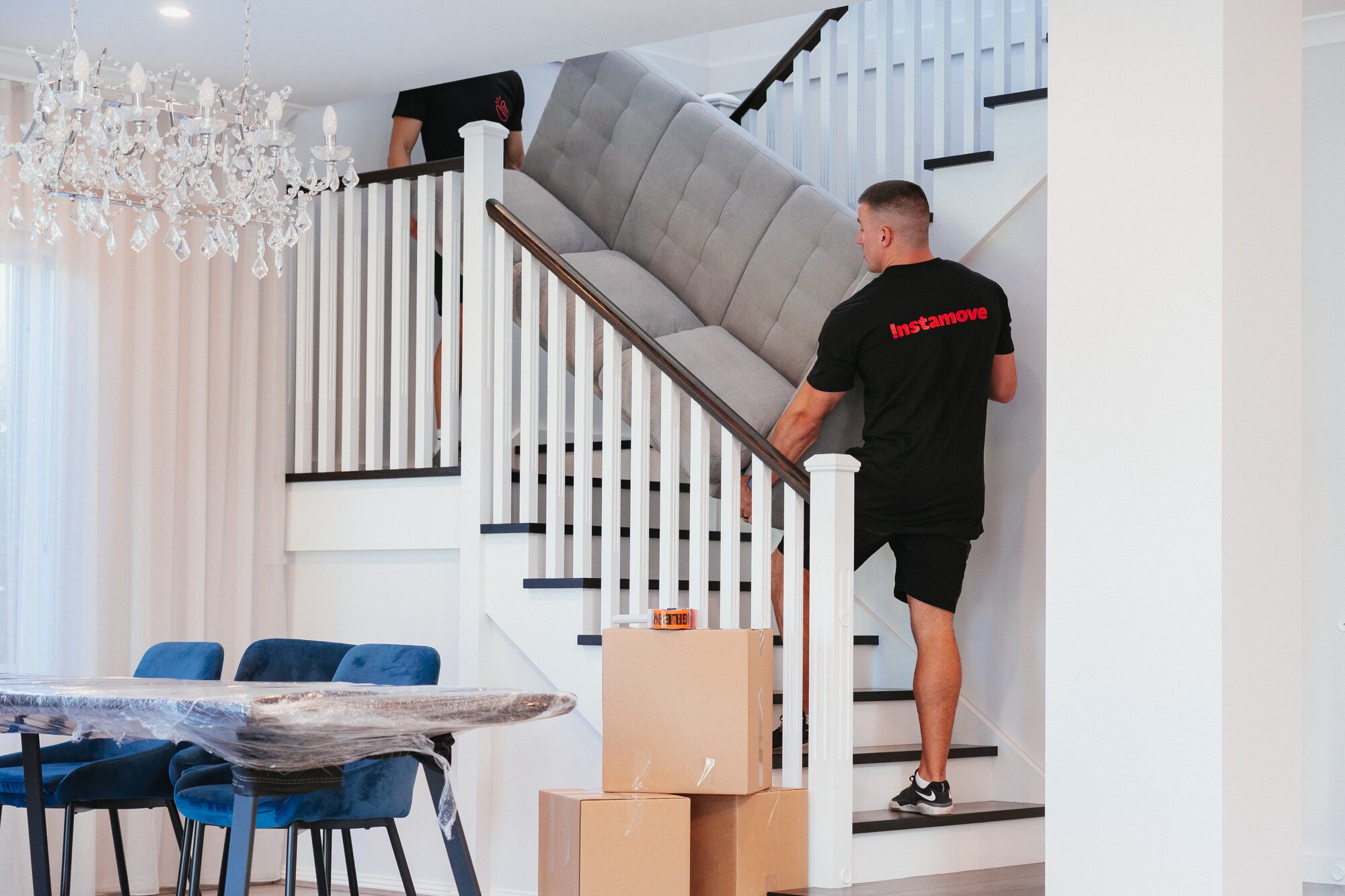
3 decluttering methods — pick one and stick with it
The best method is the one you'll actually finish. Here are three approaches that work — choose based on your personality and timeline.
The Four-Box Method
Label four boxes: Keep, Sell, Donate, Bin. Work through each room placing every single item into a box. No "maybe" pile — that's where decluttering dies.
Best for: methodical people who want clear rules
The Room-a-Day Method
One room (or storage zone) per day. Finish it completely before moving on. You get visible progress and manageable sessions.
Best for: people with limited daily time who need momentum
The Reverse Pack Method
Pack as if you're moving into a home half the size. Anything that doesn't make the cut gets sold, donated, or binned. Brutal but effective.
Best for: people who struggle to let go of "just in case" items
The keep / sell / donate / bin decision
When you're standing in front of your wardrobe holding a jacket you haven't worn in three years, it helps to have a framework. Here's the one that actually works:
| Verdict | When it applies |
|---|---|
| Keep it |
|
| Sell it |
|
| Donate |
|
| Bin it |
|
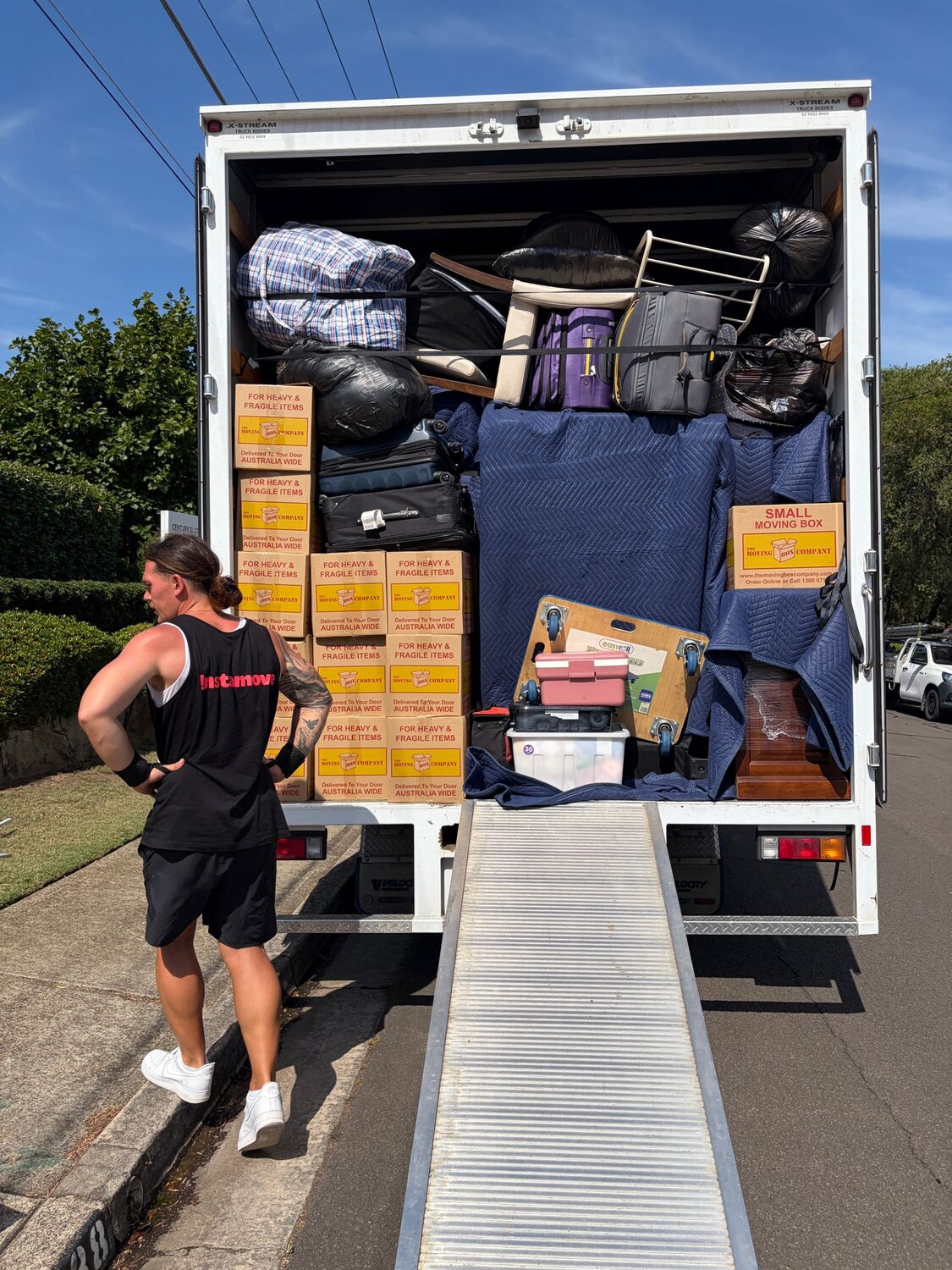
Where to sell, donate, and dispose in Australia
Selling — price to move, not to profit
You're competing against time, not the market. Price 20–30% below similar listings and you'll shift most things fast.
- Facebook Marketplace — fastest for furniture and large items in metro areas
- Gumtree — still strong for appliances, tools, and vehicles
- eBay Australia — best for niche or collectible items with national reach
- Moving sale / garage sale — great if you have a lot to shift in a single weekend
Donating — don't donate rubbish
Charities spend real money disposing of items they can't use. If it's broken or heavily worn, it's bin material, not a donation.
- Salvos (Salvation Army) — furniture, clothing, homewares; free pickup in many metro areas
- Vinnies (St Vincent de Paul) — similar range; check local store for drop-off hours
- GIVIT — connects donors with specific verified community needs across Australia
- Facebook Buy Nothing groups — good for items charities won't take
Disposing — book early
Council hard rubbish slots fill up fast before moving season — don't leave this until the last week.
- Council hard rubbish collection — free or low-cost; book early
- Local tip or transfer station — for oversized items
- E-waste recycling — councils and many retailers take old electronics for free
- Hazardous waste drop-off — paints, chemicals, and batteries must go here (check your council website)
Know what you're moving. Get a quote that reflects it.
Request an itemised interstate moving quote — less volume, lower price, no surprises.
Get a free quoteYour declutter timeline
The 8-week plan (recommended)
| Weeks 1–2 | Walk every room. Flag obvious sell/donate/bin candidates. Book council hard rubbish if available. |
| Weeks 3–4 | Tackle the garage, shed, and storage. These hold the biggest volume — start here. List high-value items online. |
| Weeks 5–6 | Bedrooms, kitchen, and living areas. Drop donations to charity. Keep unsold listings active. |
| Week 7 | Final sweep. Cancel or reprice unsold items. Donate what didn't sell. |
| Week 8 | Pack only what remains. Measure your load for a cleaner, more accurate removalist quote. |
The 1-week crash plan
Short on time? Work in order — biggest volume savings first.
| Day 1 | Garage and outdoor areas — this is where the most space is hiding. |
| Day 2 | Spare bedrooms, study, and storage cupboards. |
| Day 3 | Main bedroom — clothing and linen cull. |
| Day 4 | Kitchen — appliances and pantry. |
| Day 5 | Living areas — furniture decisions. |
| Day 6 | Bathroom, laundry, and final sweep. |
| Day 7 | Disposal run (tip, charity drop-off) and final packing. |
Even a focused one-week effort typically frees up 3 to 5 m³. That's $450 to $1,250 saved on a typical interstate move.
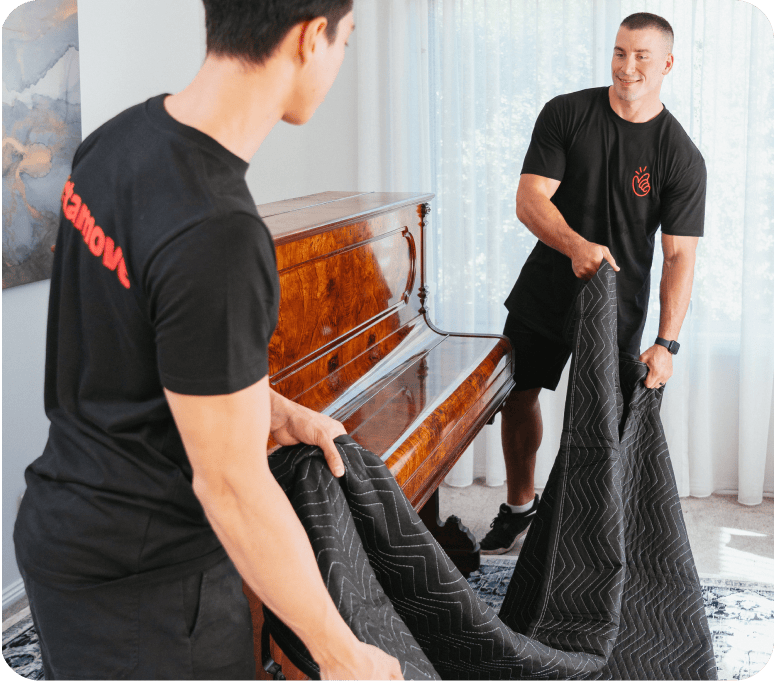
The hard part: letting go of sentimental items
This is the section most decluttering guides skip — and the one that actually stalls people. Here's the thing: the value isn't in the object. It's in the memory attached to it. And memories don't take up cubic metres.
- Photograph it. Take a clear photo, then let the physical object go. The memory lives in the image.
- Keep one, not all. From a box of your kids' artwork, choose five pieces. Photograph the rest.
- Set a container limit. One specific box for sentimental items. Whatever fits, stays.
- Ask the real question: are you keeping this because it brings you joy, or because you feel guilty letting it go?
- Pass it on with purpose. If someone else would genuinely value it more than you do, let them have it.
Letting go of things doesn't mean letting go of the memories. It means choosing to carry the memories without the weight — and without the per-cubic-metre price tag.
Common questions
How early should I start decluttering?
Ideally, eight weeks before your move date. This gives you time to sell items, book council collections, and work through each room without rushing. Even one focused week makes a real difference to your cost.
What should I get rid of first?
Focus on high-volume, low-value items: old furniture, unused appliances, duplicate kitchenware, unworn clothes, and anything stored in your garage that you've forgotten existed. These cost the most to move per cubic metre.
How much can decluttering actually save?
A thorough declutter typically reduces a load by 5 to 10 m³. At interstate rates, that's hundreds to a couple of thousand dollars saved, depending on your route, the season, and how much you remove.
Should I hire a professional declutterer?
If you're overwhelmed, time-poor, or managing a large home, it can be worth it. Expect $80 to $150 an hour in Australia. For most moves, a structured plan like this one will get the job done.
Where can I donate furniture in Australia?
The Salvos and Vinnies both accept furniture and offer free pickup in many metro areas. GIVIT connects donors with verified community needs. Local Facebook Buy Nothing groups are good for items charities won't accept.
Ready to move? Start with your quote.
Declutter first, then get a free interstate moving quote from Instamove. Less volume = lower price = fewer surprises on moving day.
Get a free quote

