
How to Pack Valuables When You Move (Australia, 2026)
Valuable and fragile are different problems. Fragile things need better packing; valuables mostly should not go on the truck at all. Anything irreplaceable, small and high-value travels with you in the car: jewellery, documents, hard drives, heirlooms. Photograph and list everything first. And understand the catch that decides it: a box you packed yourself generally sits outside your removalist's damage cover.
Here is the number that should shape every decision on this page. Across our long-haul moves over the past twelve months, only about 1% of jobs included pre-move packing by our team. Almost every carton on almost every truck in Australia was packed by the customer.
That matters because our accidental damage cover, like most removalists', excludes the contents of any box not packed by one of our packers. Put those two facts together and the conclusion is uncomfortable but useful: for the overwhelming majority of moves, the boxes are not covered for breakage. Good packing is not a nice-to-have. For valuables, it is not even the right answer.
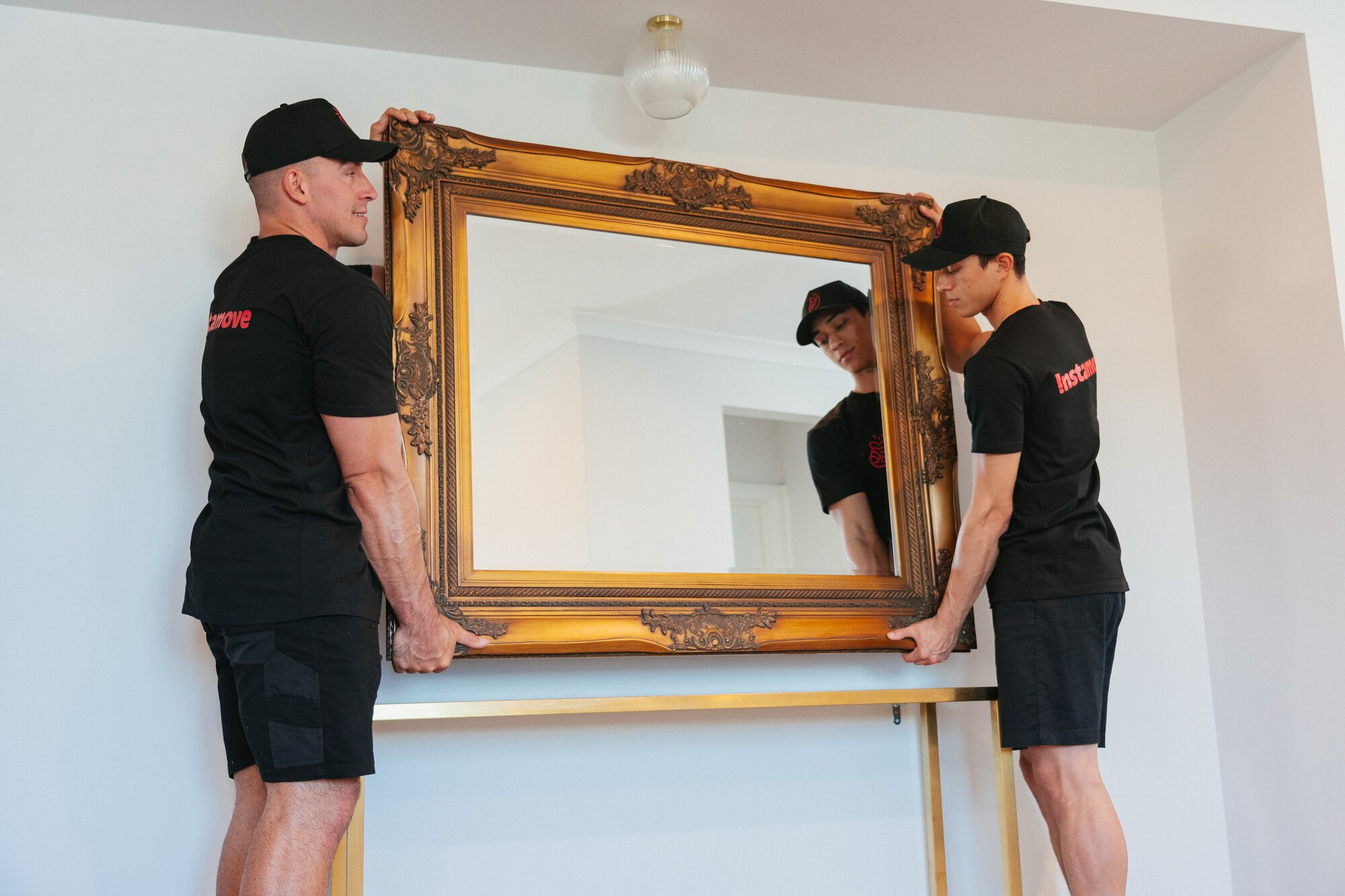
Valuable is not the same as fragile
Most guides treat these as one category. They are not, and conflating them is why people put a wedding ring in a carton marked FRAGILE.
- Fragile means it breaks easily. A wine glass, a ceramic bowl, a framed print. The fix is better packing and a well-marked box.
- Valuable means it is expensive, irreplaceable, or both. A ring, a passport, a hard drive with twenty years of photos, your grandmother's brooch. Better packing does not fix this, because the risk is not only breakage. It is loss, theft, and the fact that no amount of money replaces the thing.
Some items are both, and those are the hardest calls. A crystal decanter that belonged to your father is fragile and irreplaceable, and it belongs in the car.
If what you actually need is the method for wrapping plates and stemware, that is a different job and we have written it up separately in our packing tips guide. Artwork and mirrors have their own rules again, covered in how to pack paintings.
The triage: car, truck, or specialist
Before you wrap anything, sort every valuable into one of three piles. This single decision does more for your peace of mind than any amount of bubble wrap.
| Category | Examples | Where it should travel |
|---|---|---|
| Irreplaceable or high-value, small | Jewellery, watches, passports, birth certificates, wills, title deeds, hard drives, cash, medication | Your car, in a bag that does not leave your sight |
| Valuable but bulky | Antique furniture, a piano, a large mirror, a wine collection | The truck, but flagged at quote time so it is assessed before the day |
| Very high value or specialist | Fine art above your cover limit, instruments, museum-grade collectibles | A specialist, with its own transit policy |
Three rules make that table work:
- If losing it would genuinely upset you, it goes in the car. Not "should probably". Goes.
- Anything you would need within 48 hours also goes in the car, even if it is not valuable. Chargers, medication, the house keys.
- Flag the bulky valuables before the quote, not on the day. Photos or a short video are the most accurate way for us to assess an awkward piece, and they let us tell you in advance if something needs special handling. A surprise antique sideboard at 8am gets neither.
Before you pack anything, photograph and list it
Do this first, because it is the only part of the process you cannot do retrospectively, and it takes about twenty minutes.
Photograph each valuable item from two or three angles, including any existing damage, hallmarks and serial numbers. Date the photos. Keep them somewhere that is not the phone you might lose on moving day.
Then write a simple list: what it is, roughly what it is worth, where it is travelling. That list is what turns a vague claim into a specific one, and it is also what your insurer will ask for.
Which brings up the threshold most people do not know about. Contents insurers commonly cap what they will pay on a single unspecified item. Suncorp, for example, requires proof of purchase, a professional valuation and a photograph for items over $3,000. If you own something above that line and have never had it valued, the time to fix that is before the move, not during a claim.
Jewellery and watches
These are the classic case: small enough to lose, valuable enough to hurt, and almost never covered in a carton.
- Travel with them. A jewellery roll or a small hard case in your handbag, not in a box on a truck.
- Thread necklaces through a drinking straw before clasping them. It is a small trick that saves an hour of untangling.
- Use a weekly pill organiser for earrings and rings. One pair per compartment, lid clicks shut, nothing migrates.
- Photograph the good pieces on a plain background with something for scale. If you ever need to describe a lost ring to an insurer or the police, this is what they want.
- Wind-sensitive watches travel flat, face up, in their own box. Automatics do not enjoy a week in a moving carton.
If you keep valuables in a home safe, empty it before the move and carry the contents. Nobody can verify what was inside a locked box, which makes it a difficult thing to claim on, and the safe itself is easier to move empty.
Documents
The most expensive thing in your move is rarely the most valuable. Documents cost little and are a genuine nuisance to replace.
A damaged Australian passport cannot simply be repaired or reissued. You apply again as a new application, and the Australian Passport Office asks you to allow at least six weeks from lodging (Australian Passport Office). If you have travel booked for the month after your move, a passport in a water-damaged box is a real problem.
Keep one folder, and carry it:
- Passports, birth and marriage certificates, citizenship papers.
- Wills, powers of attorney, title deeds, loan and lease documents.
- Tax records, insurance policies and any current medical paperwork.
- Vehicle registration papers and your driver licence.
Scan or photograph the lot before you pack, and store a copy somewhere you can reach from a phone. The scanning is tedious and takes an evening, and the one time you need it you will be extremely glad.
Heirlooms, collections and the things with no price
This is the category insurance handles worst, because the replacement value and the actual value have nothing to do with each other.
A grandmother's teapot is worth eleven dollars and cannot be replaced at any price. No cover amount fixes that, which means the decision is entirely yours and should be made deliberately rather than at 9pm the night before.
Practical approach for the sentimental items:
- Take the small ones with you, even if that feels excessive. It is one box in the boot.
- For collections, photograph the collection as a whole and then each significant piece. Insurers treat a collection differently to its parts, and so will a claim.
- Separate the set. If you have six matching pieces, move them in two lots. It is the same logic as not putting the whole family in one car.
- Send photos of anything large and irreplaceable when you get the quote, so it is assessed as a specific object rather than counted as furniture, and so anyone who thinks it cannot be moved safely says so before moving day.
What your removalist's cover actually does for a valuable
This is the section other removalists skip, and it is the one that should drive your decisions.
Here is our own position, published rather than implied. Instamove includes free accidental damage cover on every move except our Local Basic service level:
| Service level | Accidental damage cover included |
|---|---|
| Local Basic | $0 |
| Local Premium (our default) | $1,000 |
| Local Elite | $5,000 |
| Interstate Backload | $1,000 |
| Interstate Exclusive Load | $5,000 |
Now read that table next to the value of a single good ring, and the point makes itself. Cover of this kind is designed for furniture and general goods, not for concentrated value.
Four conditions matter more than the amounts, and two of them bite hardest on exactly the things this page is about.
- Boxes you packed yourself sit outside the cover. So do TVs not in their original box, stone and composite tops, pot plants, furniture with rotten or decaying wood, flat-pack and pressed-wood furniture, front-load washers without transit bolts, and anything with an internal fault or that is inherently fragile. That last one matters for heirlooms: an old, delicate object can be excluded on its own nature, however carefully it is carried.
- Damage must be raised before the crew leaves. Claims made after you sign off are void. Do the end-of-job walkthrough properly, even when you are exhausted.
- A payout is depreciated, not replacement value. Approved monetary claims take into account market value, wear and tear and depreciation, and we publish how we calculate it. For a twenty-year-old heirloom that is a very different number from what it would cost you to feel whole again. You can take a repair instead if that suits the item better.
- If we think an item cannot be moved safely, we will tell you and offer to move it at your own risk. If you accept, that item sits outside the cover. That is a moment to stop and decide, not to nod along.
We aim to process approved claims within seven working days.
If your household sits well past these amounts, a dedicated removals policy is the right tool. Carts Insurance on 1300 880 253 or removalsinsurance.com.au for comprehensive removals cover is one company worth considering.
For how your existing contents policy behaves during a move, which is a genuinely surprising read, see does your home insurance cover you while moving.
The Australian summer problem
A truck parked in the sun is an oven, and this is the bit written-for-America guides always miss.
Heat does not break things, it deforms them. Candles and wax seals soften. Vinyl records warp. Photographs and negatives stick together. Adhesives on old furniture let go. Electronics and batteries do not enjoy it either.
If you are moving between December and February, or anywhere north in the build-up, treat heat as a category of damage in its own right. The heat-sensitive valuables belong in the air-conditioned car with you, not in the back of a truck on the Hume.
What to do next
Most moves make this easy. The typical move we handle travels under 10 kilometres, which means the car full of valuables is a twenty-minute drive rather than an expedition. Take the valuables yourself, let the truck take the furniture, and the hardest part of this page solves itself.
When you are ready to book, get a quote. It takes a couple of minutes, and a $20 deposit holds the date on a local move.
If you would rather hand the fragile packing to someone else, our packing service can do the whole house or just the breakables. Boxes packed by our team are covered, which is the one reliable way to bring a fragile item inside the cover rather than outside it.
FAQ
Should I pack jewellery in a moving box?
No. Jewellery should travel with you in the car, in a jewellery roll or small hard case that stays in your possession. It is small enough to go missing, valuable enough to matter, and boxes packed by you generally sit outside a removalist's accidental damage cover. Photograph your good pieces on a plain background before you pack, so you can describe them accurately if you ever need to.
Are my belongings covered if I pack the boxes myself?
Usually not for breakage. Most removalists, including us, exclude the contents of any carton not packed by their own packers, because they cannot verify how it was packed. Cover typically still applies to the furniture and to the handling itself. If you want fragile items covered, either book a packing service or move them yourself. Check the exact wording in your removalist's terms rather than assuming.
What should I never put on a moving truck?
Anything irreplaceable, urgently needed or prohibited. That means jewellery, passports and documents, cash, hard drives, medication and keys, all of which belong in your car. It also means dangerous goods, which no removalist may legally carry: gas bottles, fuel, aerosols, paint and flammable chemicals. Perishable food and pot plants are best left out too.
How do I pack valuables for an interstate move?
The same rule applies, with more weight behind it, because the goods are out of your hands for days rather than hours. Carry the small valuables personally. For bulky valuables, send photos at quote time so they are assessed properly before the day. For anything above your cover limit, use a specialist carrier with its own transit policy rather than relying on general removals cover.
What happens if a valuable is damaged during the move?
Raise it before the crew leaves, because claims made after you have signed off are void. Photograph the damage immediately, and pay the job in full, since our guarantee is void if payment is not completed. Then check whether the item was in a box you packed and whether it sits inside the cover amount. We aim to process approved claims within seven working days, as a depreciated payment or a repair.
Do I need extra insurance to move valuables?
If the value of what you are moving sits well past your removalist's included cover, then yes, a dedicated removals policy is the right tool, and our own terms point to Carts Insurance for that. Also check your contents insurer's single-item limit, since many require a valuation and proof of purchase above a threshold. Remember too that an included damage guarantee pays a depreciated amount rather than replacement value.
How should I pack important documents for a move?
Put them in one folder and carry it in your car. Passports, certificates, wills, deeds, tax records and insurance policies all belong together and with you. Scan or photograph everything first and keep a copy you can reach from a phone. A damaged Australian passport needs a fresh application, and the Passport Office asks you to allow at least six weeks.
Can heat damage my things in a moving truck?
Yes, and it is underrated in Australia. A truck in summer sun deforms rather than breaks: candles and wax soften, vinyl records warp, photographs stick together, old glues release and batteries suffer. If you are moving in summer, treat heat as its own category of risk and keep heat-sensitive valuables in the air-conditioned car with you.


