
How to Sell Your Furniture Before You Move (Australia, 2026)
What to Sell, What to Move, and How to Save on the Removal
Sell the pieces that are bulky, low-value, worn, or that will not fit or suit the new place, and move only what you truly want. Selling before you move does two things: it puts cash in your pocket and it shrinks your removal quote, because interstate moves are priced by the space your load takes up. Price at about 60% of what you paid, photograph in daylight, list on the platform that matches the piece, and keep pickups safe.
Moving is the one time everyone audits their whole house at once, and furniture is where the big decisions sit. About 1 in 7 Australians (14%) changed address in the year before the 2021 Census, according to the Australian Bureau of Statistics, and a huge share of them end up hauling a couch across the country only to find it does not fit the new lounge room.
Selling the right pieces first saves you money twice: you earn from the sale, and you pay to move less. This guide covers what to sell, what to keep, how to sell it fast, and how much you can save on the move itself.
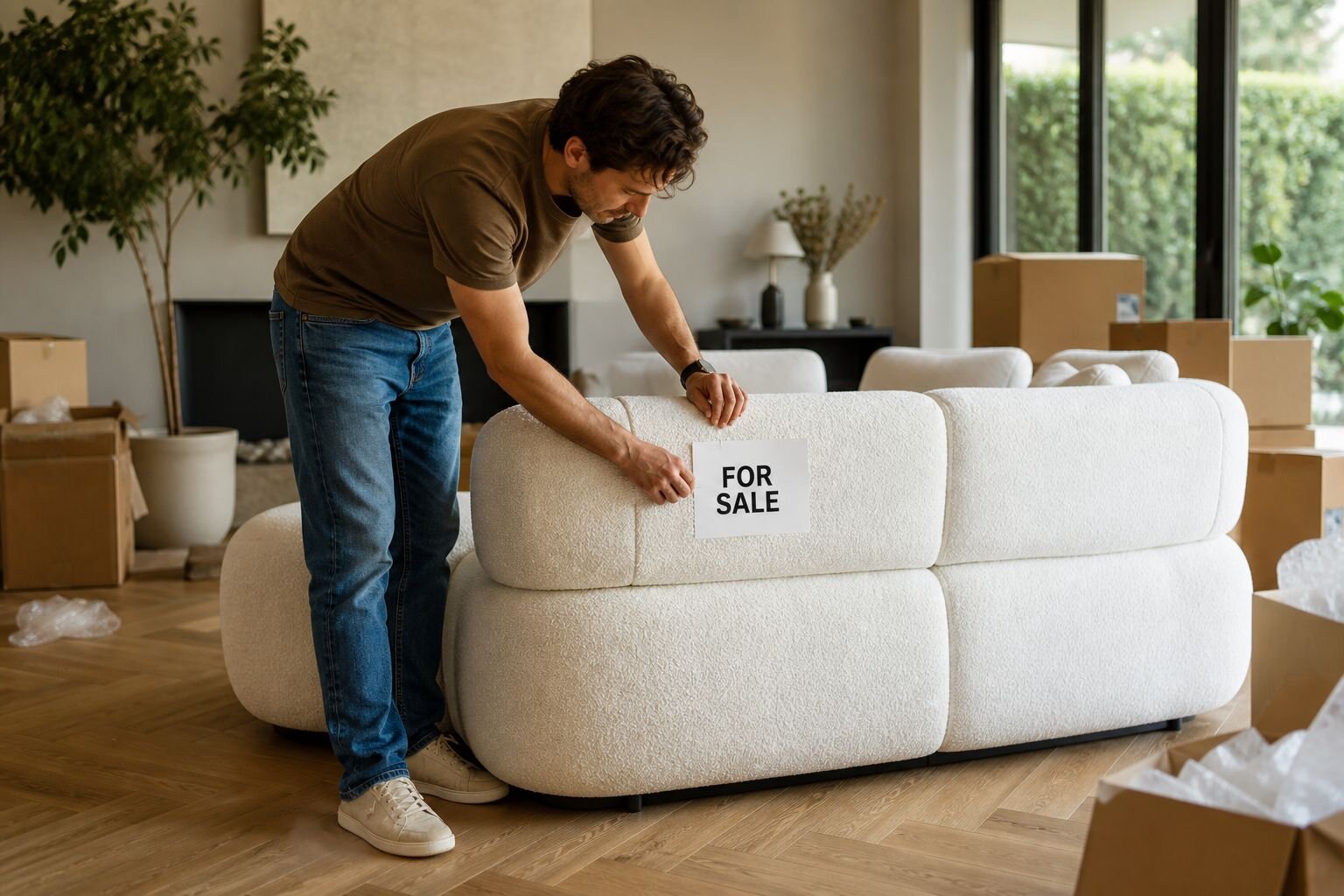
Should you sell, move, donate or dump it?
Before you list anything, sort the house into four piles. The question is not "do I like it?", it is "is it worth paying to move?" A good rule: if a piece is heavy or bulky, easily replaced, and not sentimental, it is usually cheaper to sell it here and rebuy at the other end than to freight it interstate.
| Decision | When it applies | What to do |
|---|---|---|
| Keep and move | Genuinely useful, good condition, fits the new place, or hard to replace or sentimental | Include it in your removal quote |
| Sell | Good condition but bulky, dated, or will not fit or suit the new home | List it early (see the timeline below) |
| Donate | Usable but low resale value, or it did not sell in time | Book a charity pickup or drop-off |
| Dump or recycle | Broken, stained, or unsafe | Council hard-rubbish collection or the tip |
Be honest about the "maybe" pile. Anything you are only keeping out of habit is a strong sell or donate candidate, especially before a long-haul move.
The move-cost angle: selling bulky pieces cuts your removal bill
This is the part most guides miss. An interstate move is priced by the space your belongings take up in the truck, so every large item you do not move makes your quote smaller. A tired old wardrobe or sofa bed can genuinely cost more to freight than it is worth.
To put numbers on it, here is the typical cost of a whole interstate move on common routes, from Instamove's own bookings over the past year. These are whole-move medians, not the price of a single item, but they show why trimming volume matters: fewer cubic metres means a smaller truck, or room on a shared load.
| Route | Typical full move (median, last 12 months) |
|---|---|
| Melbourne to Sydney | $1,850 |
| Sydney to Melbourne | $2,488 |
| Melbourne to Brisbane | $3,897 |
If your dates are flexible, selling down to a smaller load also makes you a better fit for a backload, where you share truck space and pay only for the room you use.
How to price it so it actually sells
Price is what decides whether a piece sells in two days or sits for a month. Start by searching sold and current listings for the same item to see what it really fetches, not what people are asking.
As a starting point, list at about 60% of what you paid for it, in good condition, but listen to the market: if there is not genuine interest in the first three to four days, drop the price in one clear step rather than a trickle of small cuts.
- Well-known brands hold value. A West Elm, Coco Republic or King piece can sit above the 60% rule; flat-pack and no-name items usually sit below it.
- Condition sets the ceiling. Marks, wobbles and pet or smoke exposure all pull the price down, so clean and tighten everything first.
- Sell as a set where it helps. A matching table and chairs often sells faster and for more together than piece by piece.
- Leave a little room to haggle. Buyers on marketplaces expect to negotiate, so price a touch above your true floor.
Photos that sell
A clean, well-lit photo does more for your price than any amount of description. Tidy the piece, clear the clutter around it, and shoot in daylight.
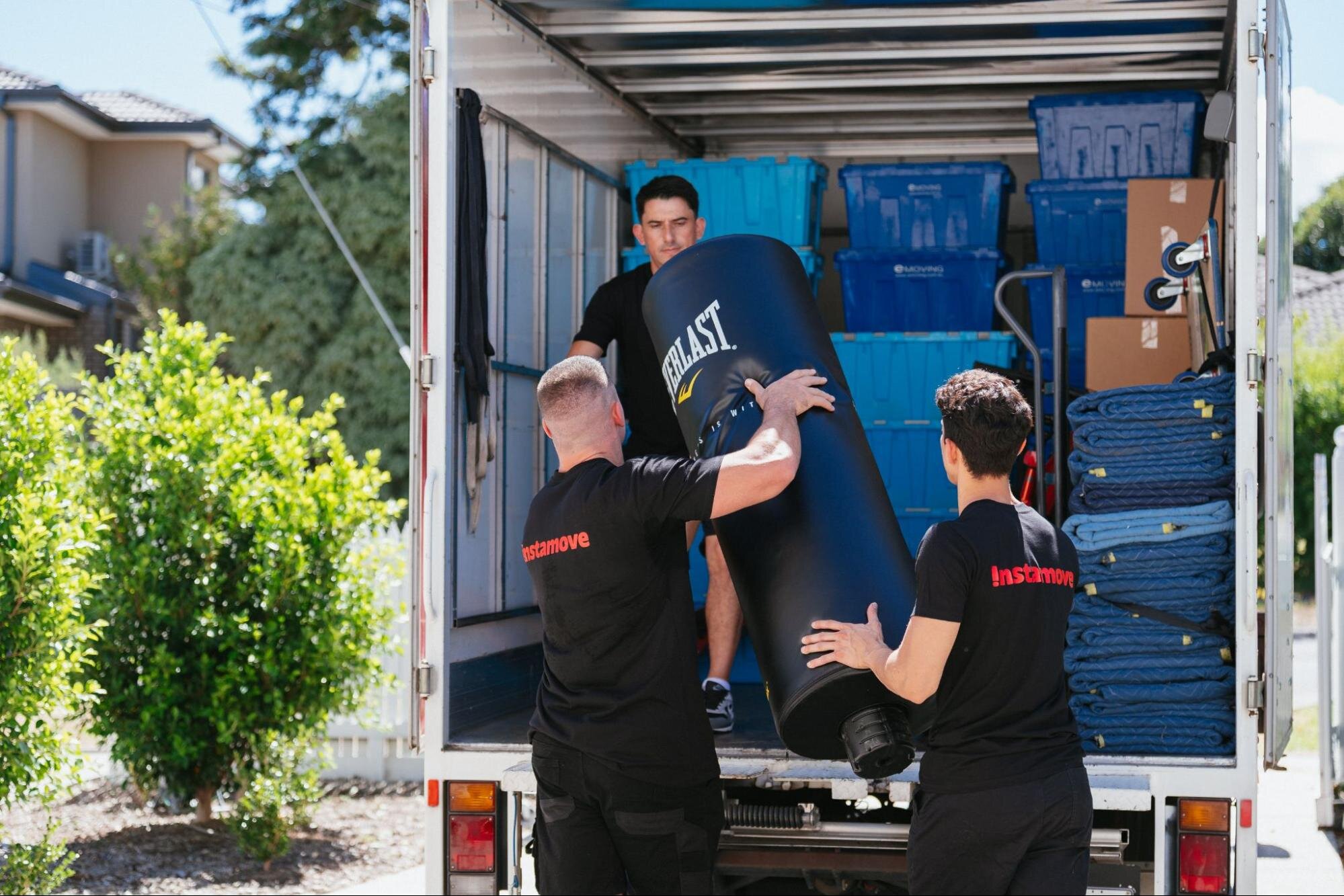
- Take five or six shots from different angles, including a straight-on hero shot and close-ups of the material, legs and any brand label.
- Use natural light near a window and avoid the flash, which flattens and yellows everything.
- Shoot against a plain, uncluttered background so the piece is the star.
- Show any flaw honestly in its own photo, so buyers trust the rest of the listing.
- Add one styled shot in a room, with a cushion, lamp or plant, so buyers can picture it in their home.
Write a description that sells
A good description answers questions before they are asked, which saves you a dozen back-and-forth messages.
- Lead with the essentials: dimensions (width, depth, height), materials, colour, age and condition.
- Name the brand and the original price if you know them, because both build trust and justify your asking price.
- Add the search terms buyers actually use, like "Hamptons", "mid-century", "solid oak" or "L-shaped sofa", so your listing shows up.
- Tell the piece's short story and why you are selling (moving interstate is a reassuringly normal reason).
- State the pickup suburb and that it is pickup only for large items, so you only hear from local buyers.
Where to sell it: a platform comparison
The right platform depends on the piece. Match a designer sofa to a curated audience and an everyday bookshelf to the biggest local marketplace.
| Platform | Best for | Reach | Cost | Watch out for |
|---|---|---|---|---|
| Facebook Marketplace | Everyday furniture, fast local sales | Very large, local | Free | Time-wasters and scams; arrange safe pickup |
| Gumtree | Bulky and local items | Large, Australia-wide | Free, paid bumps optional | Scam messages; keep it local |
| eBay | Branded or collectible, smaller postable pieces | National | Final-value fees | Postage is impractical for big items |
| Consignment or specialist furniture platforms | Quality or designer pieces | Curated buyers | Commission on sale | Slower, and they take a cut |
| Charity pickup or council collection | Anything that will not sell in time | Local | Free (donation, not a sale) | Book early; not everything is accepted |
Listing the same item on two platforms at once is fine and speeds up the sale, as long as you take it down promptly once it is gone.
Stay safe when buyers come to collect
Selling from home means strangers arriving to collect large items, so a few simple habits keep it comfortable and safe.
- Keep the conversation and payment on the platform, and be wary of anyone who wants to move to text or email straight away.
- Treat overpayment offers, courier or shipping requests for a local pickup, and "my agent will collect" messages as scams.
- Take payment before the item leaves, ideally cash on pickup or a bank transfer you have confirmed has landed, not a screenshot.
- Have someone home with you for the pickup, or place the item in the garage or on the nature strip so buyers do not need to come inside.
- Trust your instincts. If a message or a buyer feels off, you are always allowed to say no.
A simple selling timeline before moving day
Furniture takes time to sell, so start earlier than feels necessary. Leaving it to the last week almost always ends in a giveaway or a tip run.
- Four to six weeks out: walk the house, sort into keep, sell, donate and dump, and list your highest-value pieces first.
- Three weeks out: list the mid-value items, and review or drop the price on anything that has gone quiet.
- Two weeks out: book a charity pickup and a council hard-rubbish collection for whatever is left.
- Moving week: take last offers, mark down anything remaining, and move the donate and dump piles out so they are not on the truck.
How to list an item that sells fast
If you follow one method, make it this one. It turns a piece into a live listing in about ten minutes.
- Clean and tidy the piece and clear the space around it.
- Take five or six daylight photos, including a hero shot, close-ups and one styled room shot.
- Measure it and note the materials, colour, age and condition.
- Write the listing, leading with dimensions and brand, adding search keywords and the pickup suburb.
- Price at about 60% of retail as a starting point — then listen to the market and, if there is no genuine interest in the first few days, drop the price in one clear step. Publish on the platform that best matches the piece.
- Reply quickly, arrange a safe pickup, and take confirmed payment before the item leaves.
FAQ
Should I sell my furniture before moving or take it with me?
Sell anything bulky, dated, easily replaced, or that will not fit or suit the new home, and move what is genuinely useful, in good condition or sentimental. The deciding question is whether a piece is worth paying to move, especially interstate, where you pay for the space it takes up in the truck. Selling first earns you cash and shrinks your removal quote.
How much should I sell used furniture for?
A fair starting point is about 60% of what you paid, in good condition, then adjust from there. Well-known brands and solid-timber pieces can sit higher; flat-pack and no-name items usually sit lower. Search recent sold listings for the same item to sense-check the real price, and if there is no genuine interest within three to four days, drop the price in one clear step.
Where is the best place to sell furniture in Australia?
Facebook Marketplace and Gumtree have the biggest local reach and are best for everyday pieces and fast pickups. eBay suits smaller branded or collectible items you can post. Quality or designer pieces can do better on a consignment or specialist furniture platform, which reaches a curated audience for a commission. Match the piece to the platform, and list on two at once to sell faster.
How do I sell furniture quickly before a move?
Start four to six weeks out, price sensibly at around 60% of retail, and make the listing effortless to say yes to: clean daylight photos, clear dimensions, brand and condition, and the pickup suburb. List your highest-value pieces first, be quick to reply, and be open to a reasonable offer. Anything unsold in the final week is better donated than dragged onto the truck.
Does selling furniture actually save money on a move?
Yes, especially interstate. Removal pricing is based on the volume your belongings take up, so every large item you sell reduces the space you pay for and can drop you into a smaller truck or a shared backload. A tired wardrobe or sofa can cost more to freight than it is worth, so selling it and rebuying at the other end is often the cheaper choice.
How do I avoid scams when selling furniture online?
Keep messages and payment on the platform, and be suspicious of anyone who rushes to text or email. Overpayment offers, courier or postage requests for a local pickup, and messages saying a driver will collect and pay are classic scams. Take confirmed payment before the item leaves, cash or a cleared bank transfer, never a screenshot, and have someone home with you when buyers collect.
What should I do with furniture that does not sell?
Donate it or dispose of it responsibly rather than paying to move it. Many charities offer free pickup for usable furniture if you book ahead, and most councils run a hard-rubbish collection for broken or unsellable items. Arrange both a week or two before moving day, and move the donate and dump piles out of the house before the truck arrives.
Does selling really beat freighting a big item interstate?
Often, yes. Because interstate removals are priced by volume, a large, low-value item can cost more to move than to replace. Over the past year a full interstate move ran a median of roughly $1,850 Melbourne to Sydney and about $2,488 Sydney to Melbourne, and bulky pieces are a big part of that space. Selling them and rebuying at the other end frequently comes out ahead.
Sources & methodology
- Australians who moved house (about 1 in 7, or 14%, in the year before the 2021 Census). Australian Bureau of Statistics, 2021 Census population mobility data. Source: abs.gov.au.
- Typical interstate move cost by route (Melbourne to Sydney ~$1,850; Sydney to Melbourne ~$2,488; Melbourne to Brisbane ~$3,897; medians). Instamove CRM, median total move cost by lane (inc GST) over the trailing 12 months (1 September 2025 to 31 August 2026). Whole-move medians, not per-item.
- Interstate freight is priced by volume (cubic metres) and backloading shares truck space. Instamove operational practice.
- Pricing, photo, description, platform and safety guidance. Standard second-hand-sale best practice, adapted for an Australian furniture-before-a-move audience.
Each customer-facing figure appears once, anchored to its source. Instamove CRM figures reflect our own booking mix and are indicative, not market-wide averages. Percentages are rounded to whole numbers in the body.


