
Moving Storage Tips — Secure, Flexible & Easy
The three things that decide a good self-storage experience are size, packing and moisture. Pick the smallest unit that genuinely fits (size is the main cost driver), pack for protection and access with heavy items low and a walkway down the middle, and keep air moving so nothing grows mould. Keep anything irreplaceable, perishable or dangerous out of the unit. If storage is bridging a move, storing near your destination saves the most hassle.
Storage is a normal part of moving, not a sign something went wrong. The self-storage industry across Australia and New Zealand now runs to around 3,380 facilities and roughly 730,000 units, at about 87% occupancy, according to the Self Storage Association of Australasia's 2025 Industry Snapshot. Millions of ordinary households use it every year, most often to bridge a gap between homes, and the tips below are how you do it well.
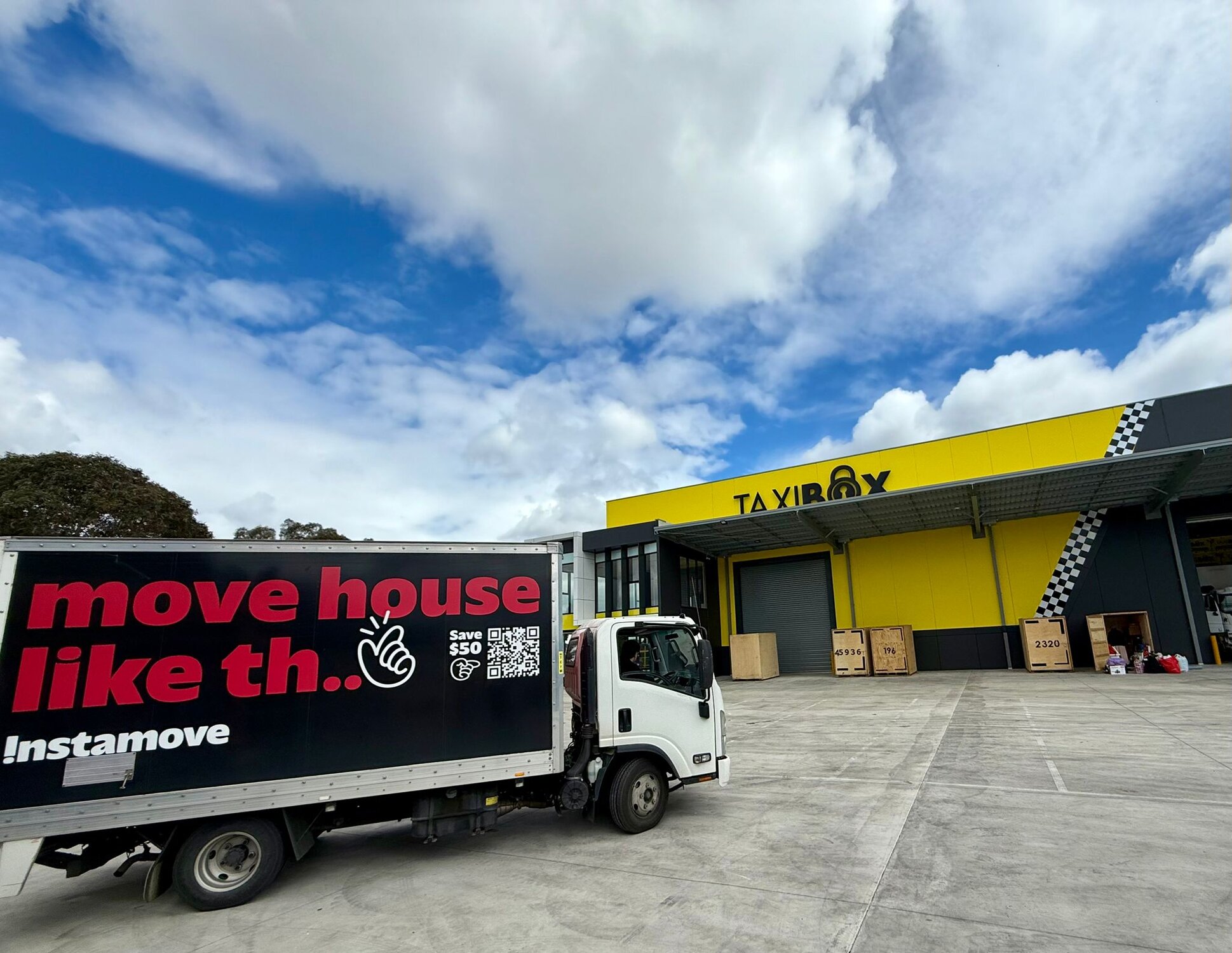
When storage actually helps during a move
Most people reach for storage because their dates do not line up. A settlement is delayed, a lease ends before the new place is ready, or a build runs over. Rather than rush a move or pay for a night in a hotel with a truck outside, you park your belongings safely and collect them when the new home is ready.
It matters most on the trickier moves. In the first six months of 2026, 12% of Instamove moves included the use of a storage unit — that includes moves that required a pick-up from storage, a drop-off to storage, or holding at storage between pick-up and drop-off locations.
There are non-moving reasons too: renovating, downsizing, decluttering to sell, or simply running out of room. The advice below applies to all of them, but a move is where the timing tricks pay off most.
What size storage unit do I need?
The size you need depends on how much your belongings actually take up, so the smartest first move is to store less. Go through everything and be honest about what is worth paying to keep. A move is the perfect moment to sell, donate or bin what you would not pay rent to store.
If you have booked a removalist you may already have your belongings measured in cubic metres, which is the same figure a storage facility thinks in. Our cubic metres explained guide turns a furniture list into that number. Once you have it, this guide gets you to the right unit.
| Unit size | Roughly fits | Indicative cost per month |
|---|---|---|
| Locker or small (1 to 3 m²) | Boxes, documents, a few small items, suitcases | About $40 to $150 |
| One-bedroom (about 5 to 10 m²) | A studio or one-bedroom flat, whitegoods, a bed and lounge | Around $200 to $300 as a median |
| Two to three bedroom (about 10 to 15 m²) | Most family homes | From roughly $300, more in inner-city areas |
| Large (18 m² and up) | A four to five bedroom home, or vehicles | $400 and up |
Indicative 2026 costs from a StoragePrices.au dataset of 10,132 units across 593 facilities. Prices vary a lot by city, especially Sydney, and change over time, so treat these as a feel, not a quote.
When you are unsure between two sizes, it is usually cheaper to pack a smaller unit well than to pay for air in a larger one. Good packing, covered next, is what lets you size down.
How much does self-storage cost in Australia?
Storage is almost always billed per month, and unit size is the biggest lever on the price. Access type and location do the rest: drive-up and ground-floor units cost more than upstairs ones, and inner-city facilities cost more than outer-suburb ones.
As a benchmark, a one-bedroom-sized unit (about 5 to 10 square metres) sits around $280 a month as a median, with most household units falling somewhere between roughly $60 and $400 depending on size, city and access. Sydney runs noticeably higher than the national picture.
A few ways to pay less:
- Size down by packing well. The single biggest saving is renting one size smaller, which good stacking makes possible.
- Ask about introductory deals. Many facilities run offers such as a discounted or free first month, and smaller independents will often negotiate when occupancy is soft.
- Consider access trade-offs. An upstairs or slightly further-out unit can be meaningfully cheaper if you do not need daily access.
- Right-size the term. Long stays sometimes attract a better monthly rate, but do not lock into more months than you need.
Also see if they offer any added extras like free use of a moving trailer. When considered in the overall cost, one facility might be cheaper by saving you from paying for a moving vehicle if you are choosing to do it yourself.
How to pack a storage unit so nothing gets ruined
This is where most storage regret comes from, and where the real tricks live. Packing for storage is different from packing for a move, because your belongings sit still in one spot for weeks or months, so moisture and weight become the enemies.
Protect what you pack:
- Use sturdy, uniform boxes so they stack squarely, and do not overfill them. A box that bulges will not stack and will crush what is under it.
- Put heavy items in small boxes and light items in big ones, so nothing becomes too heavy to lift safely.
- Disassemble bed frames, tables and other bulky furniture to reclaim space, and tape a bagged set of screws to each piece so reassembly is painless.
- Cover lounges and mattresses with proper furniture covers or blankets, and stand mattresses upright against a wall.
- Wrap fragile items individually and pack them into boxes rather than leaving them loose.
Keep moisture out, which is the tip most people miss:
- Avoid wrapping timber furniture in plastic or bubble wrap. Plastic traps moisture against the surface and can cause mould and warping. Use breathable furniture blankets instead.
- Make sure everything is clean and completely dry before it goes in. Store a fridge or washing machine only once it is dry, and leave the fridge door slightly ajar to stop mould.
- Lift boxes and furniture off the concrete floor on timber slats or a pallet, so ground moisture cannot wick up.
- For long stays or humid areas, add a moisture absorber such as silica gel or a DampRid tub, and consider a climate-controlled unit for anything sensitive.
- Vacuum-seal bedding and clothing to shrink them down and shield them from damp.
How to load the unit for easy access
A storage unit is not just a hole to fill. Ten minutes of planning saves you unloading half of it later to reach one box.
- Map it before you load. Put things you will not touch until the end at the back, and anything you might need soon near the front.
- Leave a walkway. Keep a narrow aisle down the centre so you can reach the back without shifting everything.
- Build from heavy to light. Heaviest boxes and furniture on the bottom, lighter and more fragile items on top, nothing precious under weight.
- Use the vertical space. Storage is priced by floor area, so stack safely upward and fill hollow spaces such as drawers and wardrobes with soft items.
- Label facing out and keep a list. Write on more than one side of each box, turn labels toward the aisle, and keep a simple inventory so you know what is in there without opening anything.
What you can and cannot store
As a rule, if it is clean, dry and packed properly, it can go in. The exceptions exist because they create a genuine risk to your belongings or the facility, and storing them can void your insurance.
| Fine to store | Keep out of the unit |
|---|---|
| Furniture, whitegoods, boxed household goods | Food and perishables (they attract pests and mould) |
| Clothing, bedding, books, kitchenware | Flammable, corrosive or explosive goods, gas bottles, fuel |
| Tools, sporting gear, seasonal items | Liquids and anything that can leak |
| Documents and photos (in sealed, dry containers) | Plants and living things |
There is a third category worth naming: things you technically can store but should not. Keep irreplaceable or urgent items with you, not in a unit you might not be able to reach at short notice. That means passports, key documents, medication, valuables and anything with sentimental weight.
How to choose a storage facility
Once you know your size and what you are storing, the facility itself is the last decision. Do not compare a bargain outdoor unit against a premium climate-controlled one as though they are the same product. Compare like with like, then run down this list:
- Security: gated access, individual alarms, CCTV and good lighting.
- Access: the hours you can get in, and whether a truck or removalist can pull up close.
- Climate: whether the unit is climate-controlled and dust-free, which matters for electronics, timber, artwork and documents.
- Protection from the elements: weatherproofing, and a location that is not prone to flooding.
- Pests: evidence the facility is actively pest-managed.
- Insurance: whether cover is included or you need to arrange your own, and what it actually covers.
Storing during an interstate or last-minute move
If storage is part of a move rather than a standalone rental, the logistics get easier when the move and the storage are handled together. On interstate moves especially, a short spell in storage bridges the gap when your pickup and delivery dates cannot line up.
One tip saves a lot of grief: where you can, arrange storage near your destination rather than your origin. That way, even if timing slips, your belongings are already in the right city and you can reach them when you need to. It is how we handle it for our customers by default.
If your move is urgent, our emergency and same-day removalists can move you into storage at short notice, and for interstate moves our backloading service pairs naturally with a storage stay. When you are ready, a fixed-price quote covers the move and the storage leg together.
FAQ
What size storage unit do I need for a one-bedroom flat?
A unit of about 5 to 10 square metres usually holds a studio or one-bedroom flat, including whitegoods, a bed and a lounge. The exact fit depends on how well you pack and whether you disassemble larger furniture. If you have measured your belongings in cubic metres for a removalist quote, use that same figure, and when you are between two sizes, pack the smaller one well rather than paying for empty space.
How much does self-storage cost per month in Australia?
Most household units run between roughly $60 and $400 a month, with a one-bedroom-sized unit (about 5 to 10 square metres) sitting around $280 as a median in 2026 data. Size is the main driver, followed by access type and city, with Sydney noticeably higher. Prices change and vary widely, so treat any figure as a starting point and get a current quote from the facility.
How do I stop my belongings going mouldy in storage?
Moisture is the main risk in long storage. Make sure everything is clean and bone dry before it goes in, avoid wrapping timber in plastic (use breathable furniture blankets instead), and lift boxes off the concrete floor onto timber or a pallet. For long stays or humid areas, add a moisture absorber such as silica gel or DampRid, leave a fridge door slightly ajar, and consider a climate-controlled unit for anything sensitive.
What is not allowed in a self-storage unit?
Facilities prohibit anything that poses a risk in storage: food and perishables, flammable, corrosive or explosive goods, gas bottles, fuel, liquids that can leak, and plants or living things. Storing prohibited items can void your insurance and damage other belongings. Separately, it is wise to keep irreplaceable or urgent items, such as passports, documents, medication and valuables, with you rather than in a unit.
Can a removalist move my things into storage?
Yes. Removalists routinely pick up from and deliver to storage facilities, and doing it in one booking is easier than splitting the job. If storage is bridging a move, handling both together also means your belongings can be stored near your destination. For urgent situations, a same-day crew can move you into storage at short notice, and for interstate moves a backload pairs well with a short storage stay.
Is it cheaper to store near my old home or my new one?
If storage is part of a move, storing near your destination is usually the better call. Prices are broadly similar city to city, but having your belongings already in the right area means that even if your move-in date slips, you can reach them easily and the final delivery leg is short. Storing back at your origin can leave your things a long drive away exactly when you need them.
Sources & methodology
- Self-storage industry scale (about 3,380 facilities, roughly 730,000 units, about 87% occupancy across Australasia). Self Storage Association of Australasia, 2025 Industry Snapshot. Source: selfstorage.org.au.
- Indicative unit costs (about $40 to $400+ per month; one-bedroom-sized unit around $280 median in 2026). StoragePrices.au 2026 dataset of 10,132 units across 593 facilities (updated 28 February 2026). Source: storageprices.au.
- 12% of moves involve a storage component. Instamove CRM, confirmed moves with pickup and destination state — around 4,800 confirmed moves, 1 January to 30 June 2026. WA and NT excluded.
- Store-near-your-destination and in-transit storage practice. Instamove operational practice.
Each customer-facing figure appears once, anchored to its source. Instamove CRM figures reflect our own booking mix and are indicative, not market-wide averages.


